


Full-Stack Development Guide is one of the most in-demand skills in the tech industry. A full-stack developer works on both the front-end and back-end of applications, combining design, functionality, and database management. This guide will help beginners understand the fundamentals of full-stack development, the skills required, and how to get started in this career.
What is Full-Stack Development
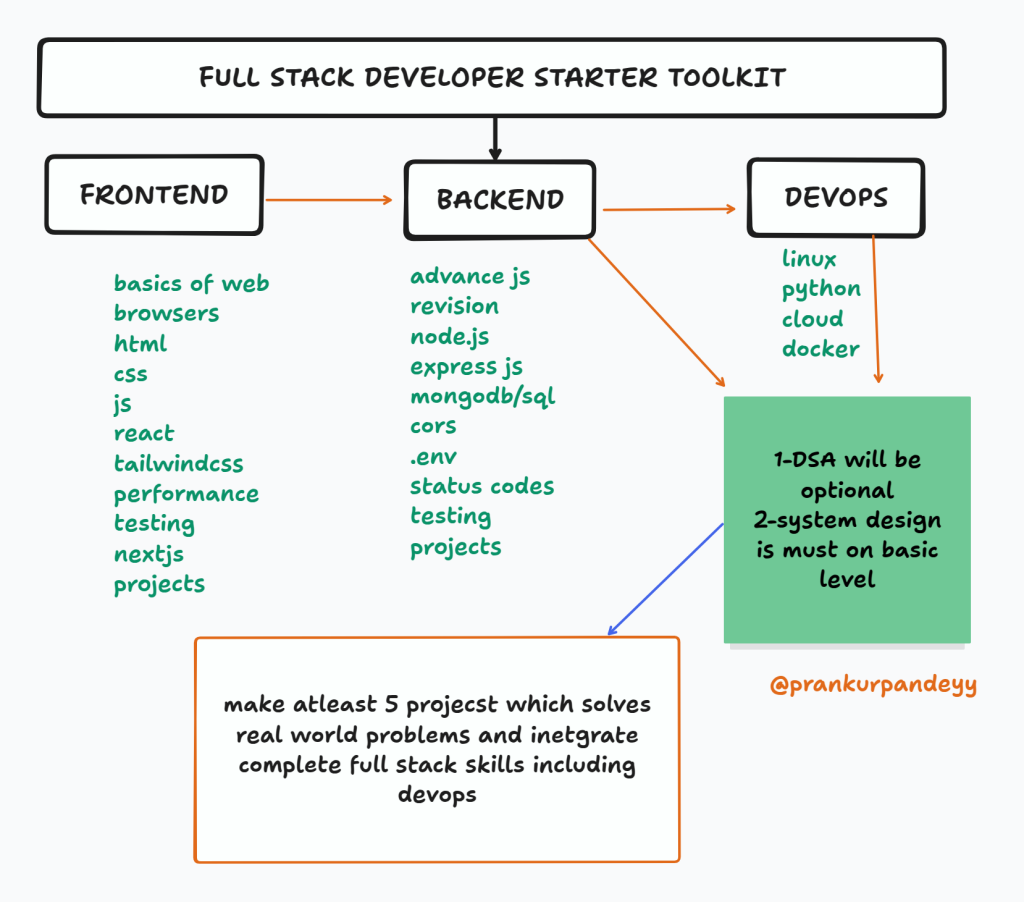
Full-stack development refers to the process of building complete web applications, from designing the user interface to managing servers and databases. A full-stack developer is proficient in multiple technologies, allowing them to work on all layers of an application. This includes:
- Front-end development: Creating user interfaces and improving user experience.
- Back-end development: Handling server logic, databases, and application functionality.
- Database management: Storing, retrieving, and manipulating data efficiently.
- Deployment and DevOps: Ensuring the application runs smoothly on production servers.
Key Skills Required for Full-Stack Development
To become a competent full-stack developer, you need to master a combination of front-end, back-end, and database skills.
Front-End Skills
Front-end development focuses on what users see and interact with. Key skills include:
- HTML, CSS, and JavaScript: Essential for creating web pages and interactive elements.
- Front-End Frameworks: React, Angular, or Vue.js for building dynamic user interfaces.
- Responsive Design: Making web applications mobile-friendly and accessible on all devices.
- Version Control: Git for tracking changes and collaborating with teams.
Back-End Skills
Back-end development powers the functionality of applications. Key skills include:
- Server-Side Languages: Node.js, Python, Java, PHP, or Ruby.
- APIs: RESTful or GraphQL APIs to communicate between front-end and back-end.
- Authentication & Security: Handling user data securely.
- Server Management: Knowledge of servers like Apache, Nginx, or cloud services like AWS.
Database Skills

Databases store the application’s data. Key skills include:
- Relational Databases: MySQL, PostgreSQL for structured data.
- NoSQL Databases: MongoDB, Firebase for unstructured or flexible data.
- Database Querying: SQL or NoSQL query optimization for fast performance.
- Data Modeling: Structuring data efficiently for scalability.
Tools and Technologies for Full-Stack Development
Several tools can simplify the development process:
- Version Control: Git, GitHub, GitLab.
- Package Managers: npm, Yarn.
- Build Tools: Webpack, Babel.
- Development Environments: Visual Studio Code, Sublime Text.
- Testing Tools: Jest, Mocha, Cypress for quality assurance.
Steps to Become a Full-Stack Developer
Step 1: Learn the Basics of Web Development
Start with HTML, CSS, and JavaScript. Understand how websites work and how to make interactive web pages.
Step 2: Learn a Front-End Framework
Choose a popular front-end framework like React or Angular and build projects to practice dynamic UI creation.
Step 3: Learn Back-End Development
Pick a server-side language and learn how to create APIs, handle authentication, and manage databases.
Step 4: Practice Full-Stack Projects
Combine front-end and back-end skills to build full-fledged applications. Examples include e-commerce websites, blogs, or social media platforms.
Step 5: Understand Deployment
Learn how to host applications using services like AWS, Heroku, or Netlify. Understand CI/CD pipelines for smooth deployment.
Step 6: Keep Learning and Updating Skills
The tech industry evolves rapidly. Stay updated with new frameworks, libraries, and best practices.
Benefits of Becoming a Full-Stack Developer
- High Demand: Companies need versatile developers who can handle all parts of an application.
- Better Salary: Full-stack developers often earn more due to their broad skill set.
- Flexibility: Ability to work on diverse projects from front-end design to server logic.
- Entrepreneurial Opportunities: Build your own applications and start a tech business.
Full-Stack Development Career Path
Full-stack development offers multiple career opportunities:
- Junior Full-Stack Developer
- Senior Full-Stack Developer
- DevOps Engineer
- Technical Lead or Architect
- Freelance Full-Stack Developer
Conclusion
Full-stack development is a versatile and rewarding career. By mastering both front-end and back-end skills, understanding databases, and continuously practicing, you can build robust applications and achieve professional growth in the tech industry. Start learning today, build projects, and stay updated with modern technologies to excel as a full-stack developer.


