


CI/CD pipeline tools play a crucial role in modern software development. They help development and operations teams automate the process of building, testing, and deploying applications. By using CI/CD pipeline tools, organizations can deliver software faster, reduce errors, and improve overall product quality.
In this article, we will explore what CI/CD pipelines are, why they are important, and the most popular CI/CD pipeline tools used in DevOps.
What Is a CI/CD Pipeline?
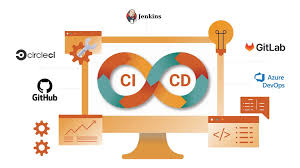
A CI/CD pipeline is a set of automated steps that software code passes through from development to production.
- CI (Continuous Integration): Developers frequently push code changes to a shared repository where automated builds and tests run.
- CD (Continuous Delivery/Deployment): Approved code changes are automatically delivered or deployed to production.
CI/CD pipelines ensure consistent, reliable, and fast software releases.
Why CI/CD Pipeline Tools Are Important
CI/CD pipeline tools help teams eliminate manual work and speed up development cycles. Key benefits include:
- Faster software delivery
- Early detection of bugs
- Improved code quality
- Reduced deployment risks
- Better team collaboration
These tools are essential for agile and DevOps environments.
Key Stages of a CI/CD Pipeline
A typical CI/CD pipeline includes the following stages:
Source Code Management
Developers push code to version control systems like GitHub or GitLab.
Build
The application code is compiled and dependencies are installed automatically.
Testing
Automated tests verify that the code works correctly.
Deployment
The application is released to staging or production environments.
Monitoring
Performance and errors are tracked after deployment.
Popular CI/CD Pipeline Tools
Jenkins
Jenkins is one of the most widely used open-source CI/CD pipeline tools. It supports thousands of plugins and works with almost any programming language.
Key features:
- Open-source and free
- Highly customizable
- Strong community support
GitHub Actions
GitHub Actions allows you to build CI/CD pipelines directly inside GitHub repositories.
Key features:
- Easy to set up
- Native GitHub integration
- Supports containers and cloud deployments
GitLab CI/CD
GitLab CI/CD is a built-in tool that comes with GitLab repositories.
Key features:
- Built-in CI/CD pipelines
- Strong security features
- Easy YAML configuration
CircleCI
CircleCI is a cloud-based CI/CD pipeline tool known for its speed and performance.
Key features:
- Fast builds
- Easy cloud integration
- Scalable infrastructure
Azure DevOps
Azure DevOps provides end-to-end DevOps services including CI/CD pipelines.
Key features:
- Strong integration with Azure cloud
- Supports multiple languages
- Enterprise-level security
Bitbucket Pipelines
Bitbucket Pipelines is a CI/CD service built into Bitbucket repositories.
Key features:
- Simple configuration
- Docker-based pipelines
- Seamless Jira integration
CI/CD Pipeline Tools and Containers
Most CI/CD pipeline tools work smoothly with containers like Docker and orchestration platforms like Kubernetes. Containers ensure consistent environments across development, testing, and production.
This combination improves reliability and reduces “it works on my machine” issues.
Security in CI/CD Pipelines
Security should be integrated into pipelines from the start. This practice is known as DevSecOps.
Security best practices include:
- Automated security scanning
- Secrets management
- Dependency vulnerability checks
- Access control policies
Secure CI/CD pipelines help protect applications and infrastructure.
Choosing the Right CI/CD Pipeline Tool
When selecting CI/CD pipeline tools, consider:
- Team size and skills
- Budget
- Cloud platform compatibility
- Project complexity
There is no one-size-fits-all solution, so choose tools that align with your workflow.
Conclusion
CI/CD pipeline tools are essential for modern DevOps practices. They automate software delivery, improve quality, and enable faster releases. By choosing the right CI/CD pipeline tool and following best practices, teams can build reliable, scalable, and secure software pipelines.


